Slow is not the same as stopped
A full clog stops water. A slow drain moves it, just badly, and that difference matters. Slow drains usually mean the pipe has lost diameter to buildup, so the water has less room to carry waste away. Chemical openers tend to burn a small channel through the middle of the buildup and leave the rest behind.
Look at how the sink behaves. Does it drain fine for the first few seconds, then crawl? That points to a restriction downstream of the trap. Does it gurgle as it empties? That often signals a venting problem, since air is being pulled through the water seal in the trap.
Where to look first
Work from the sink outward, and stop when the drain runs normally.
Clean the strainer and stopper
Lift the stopper and pull out hair and gel. In a bathroom sink the pivot rod often holds a clump you cannot see from above.
Run hot water for a minute
In a kitchen sink, hot water with dish soap can soften grease. If it speeds up and then slows again, the buildup is deeper.
Check the P-trap
Put a bucket under the curved pipe, unscrew the slip nuts by hand and look inside. Rinse out any sludge and reassemble with the washers seated flat.
Compare fixtures
Run a nearby sink, tub or toilet. If more than one is slow, the restriction is in a shared branch or the main line.
Stop and call
If the trap is clean and the drain is still slow, the problem is past your reach. Further tinkering only risks a leak.
Skip the harsh liquid openers if you can. They can damage old metal pipe, burn your skin if the water splashes back, and leave a plumber working in a hazardous mix. Boiling water is not a safe substitute either, because it can soften plastic traps and crack a cold porcelain sink.
Causes that do not look like a clog
| Cause | Clue | Fix |
|---|---|---|
| Soap and grease film | Gradual slowdown over months, smells a little sour | Clean the trap, then have the line scoured if it returns |
| Hair and gel in a bathroom drain | Water pools quickly after a shower | Clear the stopper area, then a drain snake or cleaning |
| Partly blocked vent | Gurgling, slow drain and a sewer smell together | Technician checks the vent stack |
| Pipe with a dip or belly | Slow drain that comes back right after cleaning | Camera inspection, then a repair |
| Root growth in the lateral | Several fixtures slow, worse after rain | Camera inspection and cleaning of the main line |
| Mineral scale inside old pipe | Slow flow in older homes, even with a clean trap | Cleaning with the right tool, or pipe replacement if it is badly corroded |
A drain that gets slow again within weeks of a plunge or a quick snake is not a drain that was fixed. It is a drain where the symptom was cleared and the cause was left. We would rather tell you that plainly than sell you the same visit twice.
Rentals and shared stacks in North Chicago
About 67.4% of North Chicago households rent, and many of those homes are in multi-unit buildings. In a building like that, a slow kitchen sink may share a vertical stack with the units above and below it. If a neighbor's grease is coating the stack, your drain slows no matter how careful you are.
Renters should put it in an email or letter to the landlord once a second fixture slows, naming the floor. Landlords usually act faster on a pattern than on a single complaint. If your building was built before 1960, as 32.3% of local homes were, ask whether the drain stack is cast iron, which tends to roughen inside with age and catches buildup faster.
Clear it properly, not just temporarily
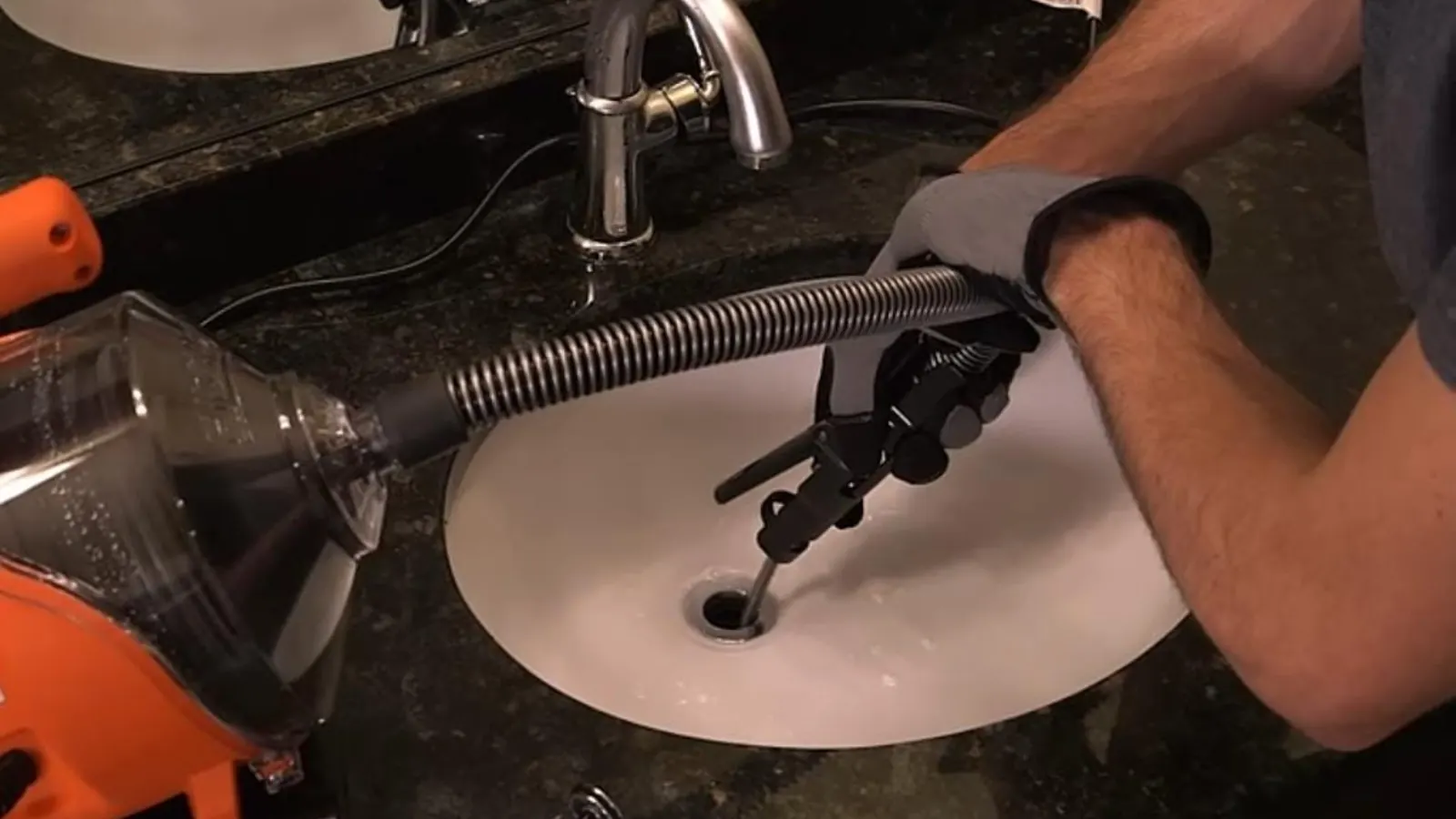
Plain drain cleaning with a cable clears a path through a clog, which is the right job for a hair mass or a solid obstruction. For a pipe coated with grease or scale, a cable punches a hole through the middle and leaves the walls dirty. That is why slow drains tend to come back.
When the wall coating is the problem, hydro jetting uses a high-pressure water stream to scour the inside of the pipe. It is the better match for grease, soap film and stubborn sludge, and a camera look afterward confirms the pipe is clean. Jetting is not right for every pipe, and a fragile or collapsed line should be inspected first.
Habits that slow a drain down
- Pouring cooking fat or bacon grease down the kitchen sink
- Letting hair pass the stopper in the bathroom
- Using too much bar soap, which leaves a waxy film in hard water
- Flushing wipes, even labeled flushable, which do not break up in the line
- Running a garbage disposal without enough water behind it
If your sink keeps going slow after you have cleaned the trap, a quick look with the right tools usually finds why. We tell you what we see and give a clear price before cleaning.
Call (847) 281-8626Notes for Gurnee and Lake Bluff homeowners
We also clear slow drains in Gurnee and Lake Bluff, both reached from the 3100 Skokie Highway shop. The two villages differ in housing age and in how they ask residents to handle sewer problems, and that changes how we approach a slow drain.
Gurnee and Lake Bluff: hard water, clay soil and the Village's backup rule
The Village of Gurnee says its Lake Michigan water is moderately hard, about 8 grains per gallon (137 milligrams per liter). Hard water reacts with soap to form a curd, so bathroom drains in a hard-water area collect a film faster than drains in a soft-water home. Census data puts the median Gurnee home at a 1992 build date, so a slow drain there is more likely to be grease, soap and hair than corroded old pipe.
Lake Bluff's Stormwater Master Plan describes the Village's high clay soil. The Village says that makes soaking rain into the ground very difficult, so water lingers after storms and a marginal sewer lateral may act up.
The Village also asks residents to call Village Hall before calling a plumber for a sanitary sewer backup, and after hours to call Police Dispatch. A slow single sink is not a backup, but if several fixtures are slow after a storm, follow that advice and then call us.
Sources: Village of Gurnee water facts page, Lake Bluff Stormwater Master Plan and public infrastructure page.
Slow drain questions answered
A clean trap with a slow drain means the narrowing is further down. Common culprits are grease or soap film on the pipe wall, a partly blocked vent, or a low spot in the line that holds water. A camera inspection tells you which one.
Not by itself. It is a warning. If you see sewage backing up in a tub or a floor drain, water coming up in a lower fixture when you run an upstairs one, or a strong sewer smell, treat it as urgent and stop using water until it is cleared.
It will foam and freshen the drain, but it rarely cuts through a real buildup. It is harmless in small amounts, so it is fine to try, but do not count on it. A drain that stays slow needs mechanical cleaning.
Lake Bluff asks residents to call Village Hall before calling a plumber when there is a sanitary sewer backup, and to use Police Dispatch after hours. A single slow sink is different from a backup. If water is coming up in several fixtures or the floor drain, call the Village, then us.
There is no fixed schedule. Kitchen drains that carry grease may need attention yearly. Bathroom drains with hair need the stopper cleaned monthly. If a drain slows twice in a year, ask for a camera look instead of another quick clear.
Get the slow drain looked at
Call us and describe what you have tried. We will say what we think is happening and what a proper fix involves.
Call (847) 281-8626