The six things that move a replacement price
Every line on a quote traces back to one of these.
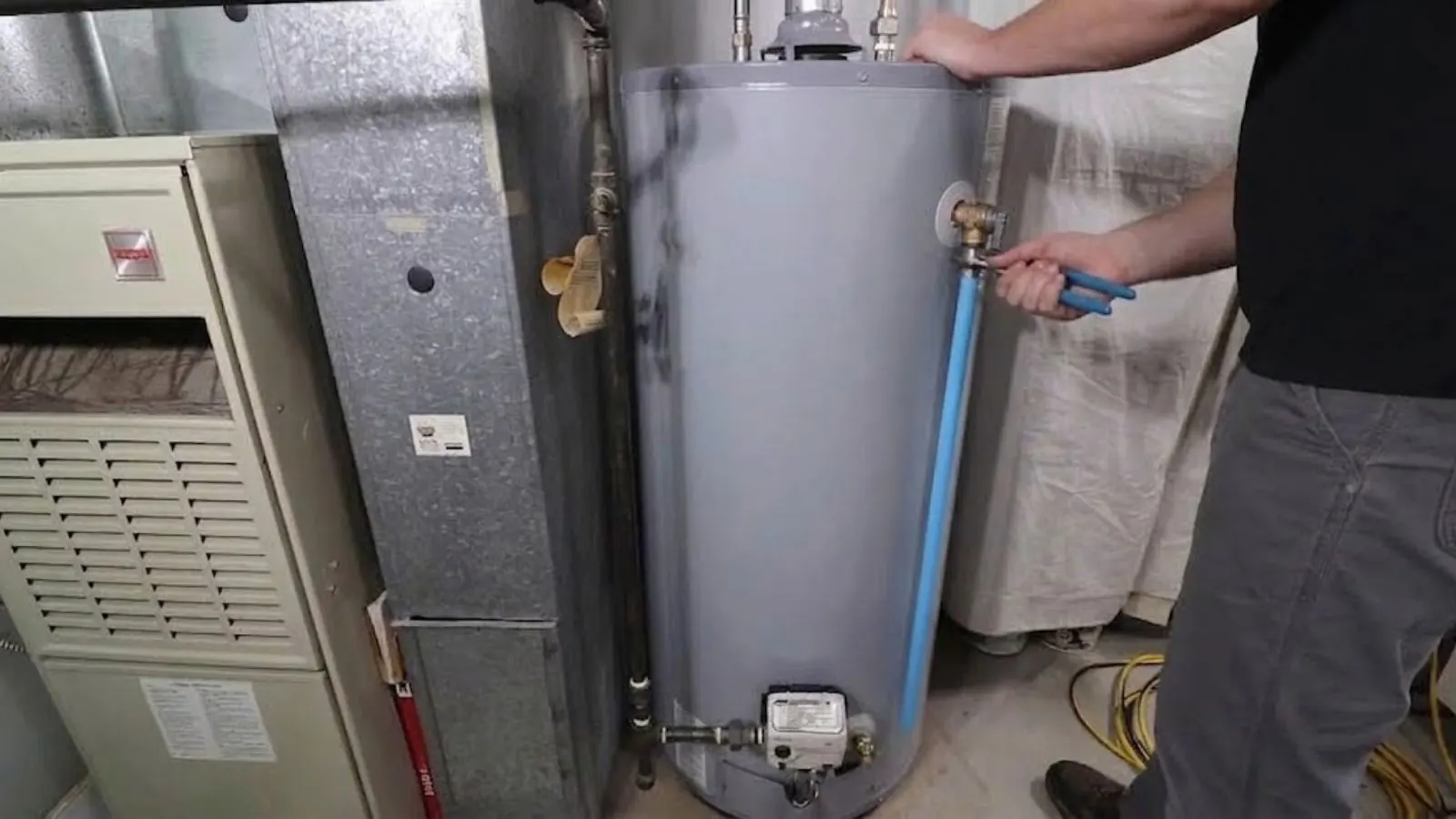
A water heater swap looks simple from the outside: drain the old tank, set the new one, connect it. In practice, the work changes a lot from house to house. A heater in an open utility room with fresh shutoff valves is a short job. A heater wedged into a closet with corroded unions and a flue that no longer meets current standards is a longer one.
| Driver | How it changes the bill | What to tell the plumber |
|---|---|---|
| Tank or tankless | Tankless units cost more up front and often need new gas, venting, and sometimes electrical work. Tank units are the simpler swap. | The type you have now, and if you want to switch |
| Fuel type | Gas needs a flue and a gas connection. Electric needs the right circuit and breaker. Switching fuels adds work. | Gas or electric, and the age of the home wiring |
| Capacity | A 40-gallon tank and an 80-gallon tank are different products with different weights and connection needs. | Number of people and bathrooms, plus the label size |
| Venting and clearances | Old flues may need new liner, new pipe, or a different route. Tight closets limit how a unit can be set. | Photos of the area around the heater |
| Condition of connections | Seized shutoffs, brittle supply lines, and corroded fittings get replaced while the heater is off. | Any drips, green crust, or stiff valves you have noticed |
| Permit and inspection | Some towns require a permit and a registered plumber for this work. The step adds time and handling. | Your village or city, so we can check local steps |
Most of the range between a modest quote and a high one comes from the first three rows. A like-for-like tank swap in the same spot sits at the low end. A fuel change or a move to tankless sits at the high end, because the surrounding work grows.
Tank or tankless: the biggest fork in the road
A traditional tank heats and stores a set volume. A tankless unit heats water as it flows, so there is no storage and no standby loss. That sounds like an easy win, but the install is different. Tankless gas units usually move more air and gas than a tank does, so the gas line size and the venting get a hard look before anyone orders equipment.
If you are curious about the switch, our tankless water heater page explains what we check on a first visit. If you want to stay with a tank, the standard path is water heater replacement sized to the household you have today, not the one you had fifteen years ago.
A quick sizing check before you shop
Read the label on your current heater. It lists the capacity and the fuel. Count the people who shower in the morning and the number of bathrooms. If the family has grown or shrunk, say so, because the right size may have changed even if the old tank still fits the space.
How to read a quote without a calculator
Find the equipment line
It should name the type, the fuel, and the capacity. If it only says water heater, ask for the details. A vague line makes comparing two quotes impossible.
Look for the venting and gas or electric work
These are the lines that surprise people. A flue liner, new vent pipe, or a new circuit should appear as its own item, not hide inside a lump sum.
Check what happens to the old tank
Hauling away and disposing of the old unit is real work. Confirm it is included and not billed later.
Ask about the small parts
New shutoff valves, flexible connectors, a pressure relief valve and its discharge pipe, and an expansion tank where one is needed. Each one affects safety or the life of the new heater.
Confirm the permit line
Ask who pulls the permit, if your town needs one, and whether that cost is listed. A quote that ignores the question is incomplete.
Extras that show up on the invoice
Common add-ons and why they exist
- Expansion tank. Closed plumbing systems have nowhere for heated water to expand. A small tank takes that pressure so fixtures and the heater itself are not stressed.
- Pressure relief valve and discharge pipe. This is the safety valve. It needs a proper drain path, and an old or short pipe may have to be redone.
- Drain pan. Where the heater sits above finished space, a pan with a drain limits damage if the tank ever fails.
- Seismic or strapping hardware. Only where a local requirement or the unit location calls for it. Ask rather than assume.
- Gas shutoff and sediment trap. On gas units these parts get inspected and replaced if needed. This is licensed work only, never a weekend project.
None of these are upsells by default. Each one has a reason, and a good plumber can tell you what happens if you skip it. If an item does not apply to your install, it should not be on your quote.
When repair stops making sense
A heater that leaks from the tank body, not from a fitting, is finished. Water in the base means the steel liner has failed and no part will fix it. Rusty hot water, rumbling from sediment, and repeated pilot or element failures also point toward replacement once the unit is in its later years.
If the problem is a bad thermostat, a worn element, or a failed igniter on a younger unit, a repair may be the smarter spend. We will tell you which side of the line you are on before anything is ordered.
Many North Chicago homes are rentals. About 67.4 percent of occupied homes in the city are renter-occupied (Census ACS 2020 to 2024), so landlords and tenants both ask us whether to repair or replace. The answer depends on the tank age and the failure, not on who pays.
Lake Bluff and Libertyville: what the village pages say
Permit steps for a water heater swap in Lake Bluff and Libertyville
Lake Bluff's Residential Building Permit Guidelines list water heater replacement under home improvements, with the step of filling out a Building Permit Application. The village also states that all contractors working in Lake Bluff must hold a Village Contractor's License. In practical terms, a quote for a Lake Bluff address should name who handles the permit and the license.
Libertyville does not register plumbing contractors itself and charges no registration fee. It does ask for a copy of the State of Illinois Plumbing Contractor Registration, the plumber's license, and a signed Letter of Intent for each project. The village pages we read do not say whether a water heater swap needs a permit, so ask the Building Division before you schedule.
Illinois plumbers are licensed by the state Department of Public Health, and you can check a license number through its online lookup.
If you live in Lake Bluff, our plumber in Lake Bluff page covers the village in more detail. Libertyville homeowners can read about plumbing service in Libertyville, which sits a short drive from our dispatch address on Skokie Highway.
What changes the price
The bill follows the work, so these are the factors that move it up or down on a replacement.
Ready for a clear price on your water heater?
Call (847) 281-8626Not sure whether to repair or replace? Our water heater replacement team can look at the label, the age, and the symptoms with you.
Call (847) 281-8626Questions about replacement pricing
Usually the difference is in what is included. One quote may cover venting, connectors, an expansion tank, haul-away, and the permit step. Another may list only the unit and labor. Line them up side by side and match each item before deciding which is higher.
The unit costs more, and a larger or heavier tank can be harder to set in a tight closet or basement corner. Bigger is not always better. A tank that is too large wastes energy keeping extra water hot.
Sometimes, but it rarely saves money. Electric needs the right circuit, breaker, and wire size, and many older panels have no room. The gas side has to be capped correctly too. We check both before suggesting a change.
No. Lake Bluff lists water heater replacement on its building permit guidelines and requires a Lake Bluff contractor's license for contractors working in the village. Libertyville asks plumbers for a State plumbing registration, a license copy, and a signed Letter of Intent. Neither answer replaces a call to the local building department before work starts.
Yes. A failed heater with water on the floor does not wait for business hours, so we are open 24/7. Close the cold supply valve to the heater, switch off an electric unit at its breaker, and call. For any gas smell, leave the home and call your gas utility or 911 first.
Get a price you can read before work starts
Call and tell us the fuel, the size, and where the heater sits. We will walk through the price drivers with you and give a clear price before any work begins.
Call (847) 281-8626